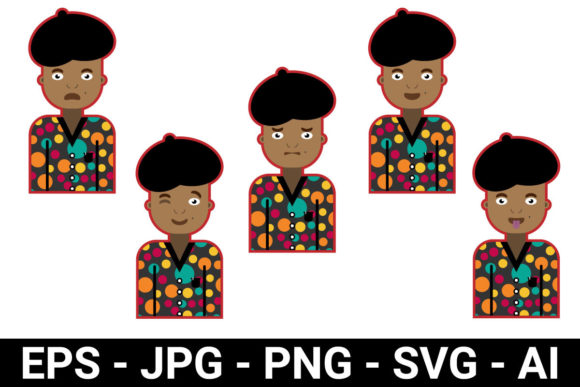
Why This Painter Flat Character Set Earns a Spot in My Design Toolkit
When I’m reviewing a new embroidery design set for actual use, my first question is always: does it feel like a real tool, or just a pretty graphic? Opening the Painter Flat Character Set, with its five distinct expressions, my immediate impression was one of quiet, friendly professionalism. The flat, clean aesthetic isn’t just trendy; it’s functional. The shapes are simple but confident, with enough character to convey an occupation without being overly detailed or cartoonish. This isn’t a design screaming for attention, but one that offers a warm, competent vibe—perfect for projects where you want the embroidery to feel like a thoughtful accent, not the entire statement.
The Sweet Spot for Handmade Appeal
Let’s talk about where this set truly shines. I recently needed to create a custom embroidered tote bag as a gift for a friend who’s an art teacher. I wanted something that acknowledged her profession but felt personal and handmade, not generic. One of the smiling expressions from this set was the ideal solution. Stitched out in a mid-weight cotton thread on canvas tote material, the flat character style translated beautifully. The clean lines became crisp satin stitch borders, and the simpler facial details allowed for clear stitching without getting lost in dense fill areas. The result had that perfect blend of recognition—you instantly see it’s a painter—and that bespoke, crafted quality that elevates a simple bag into a meaningful gift.
Projects That Call for This Character
This set is a versatile player in the studio. Beyond personalized gifts, I see it fitting seamlessly into a craft business lineup. Imagine it on a lightly embroidered patch sewn onto a denim jacket, or as a small, charming detail on a baby’s knit sweater—a nod to a parent’s creative career. For small shop merchandise, like an embroidered kitchen towel in an artist’s studio or a boutique apron, it adds thematic branding without overwhelming the product. It’s also a strong candidate for commercial embroidery on staff apparel for a painting business or art supply store, where the professional yet approachable iconography supports brand consistency.
Thinking practically about embroidery projects, the set’s simplicity is its greatest asset for visual clarity on finished products. On a sweatshirt, where fabric texture is more pronounced, the uncomplicated shapes maintain their integrity. On a curved surface like a cap, avoiding overly intricate corners means fewer potential registration issues during stitching. This clarity directly impacts customer trust and product value; a clean, well-defined embroidered character looks professional and durable, suggesting a quality handmade presentation.
Where a Careful Approach Pays Off
No design is universally perfect, and a realistic review means noting where extra attention is needed. While the Painter Flat Character Set is wonderfully simple, its effectiveness depends on context. On very dark fabric, the design’s open, flat areas would require careful thread color contrast planning to prevent it from looking faint. If you’re considering a very small hoop size for a tiny accent on something like a baby’s sock, you’d need to test first to ensure the essential expressions—like the eyes or brush tip—remain distinct and don’t blur into a single dense stitch lump.
Similarly, on stretchy fabrics or thin materials like lightweight tees, the stitch density matters. While the design appears light in the digital file, you must always test on scrap fabric first with your chosen stabilizer to see how the machine embroidery file interprets those shapes. A seemingly simple fill area could become unexpectedly dense on certain machines, affecting the drape of a thin garment or the durability of a frequently washed item like a pillow cover. The rule here: never assume. Test.
A Designer’s Practical Notes Before Hooping Up
Before I commit any design to a client project or my own small shop product, I run through a mental checklist. For this set, here’s what I’d do:
- Stitch out one character, likely the neutral or smiling expression, on a scrap of the target fabric first. This reveals the true stitch behavior, not just the preview.
- Check thread color contrast not just on screen, but in physical thread against both light and dark background swatches. A digital JPG preview on a white screen can be deceptive.
- Since the set comes in multiple formats like SVG and AI, I’d use those to create a black and white printable mockup for a customer preview, ensuring the visual appeal translates even without color.
- Confirm the licensing terms for the graphics. Can I sell the finished embroidered tote bag at a craft fair? Can I use the design in a digital product preview for my Etsy listing? The product description doesn’t specify, so that’s a crucial step for any commercial use.
These steps bridge the gap between a digital asset and a real, stitched finished product. They turn a promising set of illustrations into a reliable tool.
The Lasting Impression: Beyond the First Stitch
Ultimately, the value of an embroidery design like this lies in its quiet usefulness. The Painter Flat Character Set doesn’t try to do everything. It offers a specific, well-executed theme with enough variety (five expressions) to suit different moods—a cheerful gift, a professional logo, a neutral decorative icon. This focused scope makes it easier for you, the maker, to imagine its place. You know instantly it belongs on an artist’s apron, a child’s “mommy’s job” themed shirt, or a holiday gift for a creative friend.
In my studio, such sets are the backbone of repeatable, quality work. They provide consistency across projects, whether I’m doing personalized gift embroidery or batch-producing items for my craft business. They build buyer engagement because the final product looks intentional and crafted. When a customer sees that clean, friendly painter character on their new embroidered cap, they recognize a thoughtful design choice, not just a random graphic. That’s the real test for any design asset: does it help you create something that feels both professional and genuinely handmade? For this set, my review is a confident yes.