A Designer's Take on the Vector Numbers Design
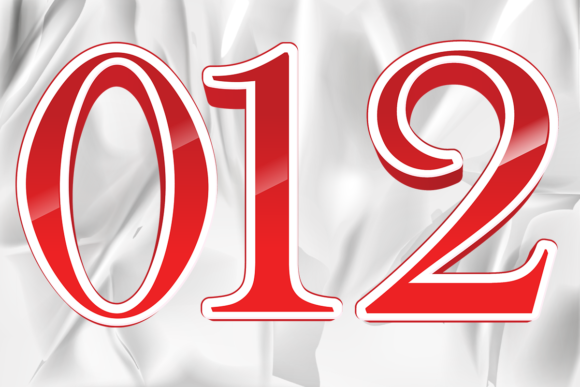
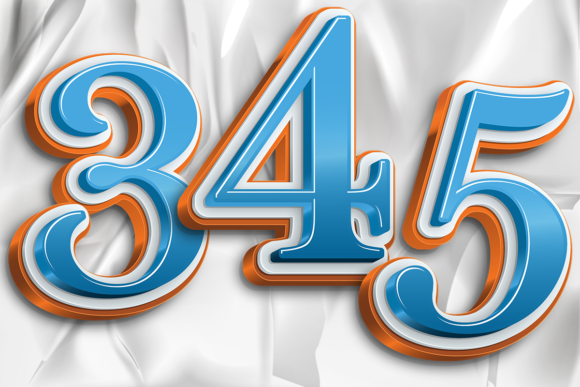
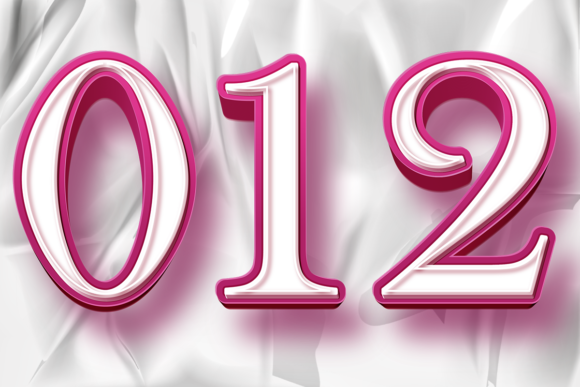
When a new set of numbers lands on my virtual workbench, I don't just look at the files—I think about the stitches. My first question is always: what will this look like on fabric? The New Vector Numbers Design Graphic Style presents itself as a set of ten decorative numbers in transparent PNG and EPS formats, a classic setup for digital assets. As someone who constantly translates graphics into embroidered products, my review isn't about the digital file alone; it's about its journey from screen to thread.
The Visual Personality: Modern, Clean, and Versatile
Opening these files, the immediate impression is a clean, contemporary aesthetic. The vector nature suggests smooth lines and defined shapes, which is excellent news for embroidery. A decorative style implies some artistic flair, but not overwhelming detail. This creates a mood that’s professional yet playful—it feels adaptable. It doesn't scream "baby" or "holiday"; instead, it whispers "customizable." This is the kind of design set that belongs on a stylish embroidered tote bag for a boutique, or elegantly placed on the cuff of a personalized sweatshirt. The graphic style suggests it would translate well into crisp satin stitches for borders or clean fill stitches for the solid areas, holding its visual personality on the final product.
Real Projects: Where These Numbers Will Shine
Let’s walk through a real scenario. Imagine I’m preparing a custom order for a small shop: a set of embroidered pillow covers for a nursery, each featuring a child’s birth date. Or, I’m creating anniversary gifts—tea towels with a significant year stitched on. This number set is perfect for that. Its decorative style elevates a simple digit into a design element. For apparel decorators, these could become a stylish part of a brand logo on caps or the numbering on team aprons. For Etsy sellers offering personalized baby blankets, a clean, modern number like this adds value without cluttering the design. The transparency of the PNG files means I can easily mock them up over photos of my finished products—a must for creating compelling digital product previews.
In broader applications, think of embroidered patches for a club or event year, or subtle branding on the hem of a boutique garment. The set provides consistency; using the same style across multiple products, like a series of tote bags or kitchen towels for a craft fair, builds a cohesive, professional look that customers trust.
Considerations for Stitching Success
No design is universal, and a designer’s job is to know the limits. The decorative aspects of this Vector Numbers Design mean I’d use it carefully on very small hoop sizes. Tiny details might lose clarity if minimized too much. On textured fabrics like some blankets, or stretchy fabrics like t-shirts, the clean lines need proper stabilizer support to hold their shape. On dark fabric backgrounds, thread color choice becomes paramount—a light, bright thread will make these numbers pop, while a low-contrast choice could render them invisible.
I’d be cautious about using it on curved surfaces like caps if the design has wide, horizontal elements that might distort. And for products destined for frequent washing, like baby clothes or aprons, a well-digitized file with appropriate stitch density is key to longevity—something I must verify when I receive the actual embroidery file.
How This Design Translates to Business Value
For creative entrepreneurs, a design’s appeal directly affects buyer engagement. These numbers, with their modern graphic style, feel current and thoughtful. They don’t look generic. On a finished product, that translates to higher perceived value. A customer seeing a beautifully embroidered year on a gift feels it’s more personal, more handmade. For a small business, using consistent, stylish numbers across your merchandise—say, on all your branded tote bags—enhances brand recognition. It looks deliberate and professional.
The giftability of items adorned with these numbers increases. A holiday gift like an embroidered blanket with a family’s special date becomes a keepsake. The clarity of the design, assuming it stitches well, ensures the final product looks clean and intentional, which builds customer trust in your craftsmanship.
Practical Notes Before You Hoop the Fabric
My process always includes a dry run. For this set, I would absolutely test the design on scrap fabric first, ideally the same material my final project will use. This reveals everything: how small details like corners stitch out, whether the satin stitch borders are smooth, and if the overall density feels right. I’d check it against both light and dark backgrounds in my software, planning my thread palette. I would confirm the hoop size needed for my intended project—a large number on a tote bag versus a small one on a cap require different planning.
Most crucially, I would confirm the licensing for these graphics. Since they are provided as digital design assets, I need to know if I can use them for commercial embroidery projects, selling the finished sweatshirts or patches, or if they are only for personal use. This step is non-negotiable for any serious maker or business owner.
Finally, I’d remember that a PNG or EPS is a starting point. The true test is in the embroidery machine. The New Vector Numbers Design Graphic Style has the visual groundwork to become a versatile, valuable asset in your project library. Its success, from a designer’s point of view, hinges on that practical translation—from a clean graphic on your screen to a crisp, beautiful stitch on your product.