A Review of the Herringbone Pattern Deco for Embroidery
First Impressions: Where This Design Belongs
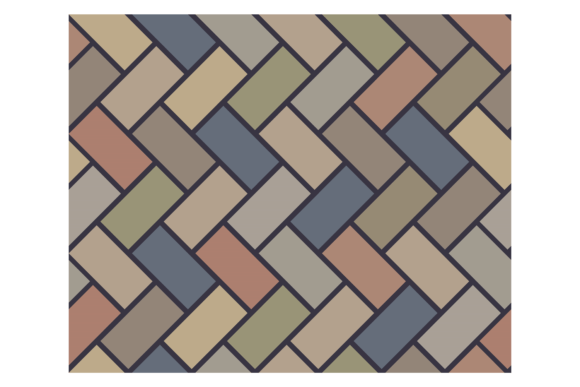
Opening the Herringbone Pattern. Color Seamless Deco files, my immediate thought was, "This is a boutique pattern." It doesn’t shout; it has a quiet, decorative confidence. The seamless nature means it’s designed to repeat beautifully, creating a fabric-like texture even as a standalone motif. The herringbone itself is a classic, trustworthy shape—it feels structured yet decorative, a perfect blend of order and ornament. The color palette in the preview suggests a versatile, mid-century modern vibe. This isn’t a loud, themed graphic; it’s a background personality. Its visual personality is elegant and grounded, making it a natural fit for projects where you want to add sophistication without overwhelming the item itself.
I instinctively pictured it on a high-quality canvas tote bag or a linen pillow cover. It’s the kind of embroidery design that elevates a simple, well-made object into a handmade product with a designer feel. For a crafter or small business owner, that’s a valuable asset—it helps your work look curated and intentional.
Putting the Pattern to Work: Real Project Scenarios
Let’s walk through a real case. Imagine you’re preparing a batch of custom embroidered tea towels for a small shop or as holiday gifts. You want them to feel special, not generic. The Herringbone Pattern. Color Seamless Deco comes into play here. Stitched along the border or as a centered panel, its repetitive geometry would translate wonderfully into satin stitch or a clever combination of fill stitches. The seamless aspect means you could easily extend it if the towel dimensions allow, creating a continuous, elegant band.
On a sweatshirt or t-shirt, this pattern would work best as a smaller, contained motif—perhaps on a sleeve or as a chest detail. Because it’s a vector illustration, the detail level appears clean, but in machine embroidery, you need to consider stitch density. The finer lines and color separations in the design need to be tested to ensure they don’t become too dense or muddy on stretchy fabric. On a sturdy tote bag or apron, however, it would shine, offering great stitching clarity and holding its shape beautifully.
The Gift and Commercial Appeal
This pattern affects product value directly. Applied well, it signals effort and taste. A customer receiving a personalized gift like an embroidered baby blanket with this subtle, classy pattern would perceive it as high-end and thoughtful. For an Etsy seller or craft business, using such a design consistently across items—say, on embroidered patches, pillow covers, and kitchen linens—can build brand consistency. It becomes a recognizable aesthetic thread in your shop, fostering customer trust and buyer engagement because the presentation is professional.
Where to Exercise Caution
My practical designer side always notes the careful-use zones. With the Herringbone Pattern. Color Seamless Deco, the main considerations are scale and fabric. On very small hoop sizes, some of the intricate decorative details might lose definition, becoming a blob of thread. Always test a section first.
Textured fabrics like heavy tweeds or nubby linens can fight with the pattern’s clean lines. Dark fabric backgrounds require careful thread color selection—the preview colors might need to be adjusted for contrast to maintain the design’s spirit. And on curved surfaces like caps, the geometric nature might distort if not hooped expertly; a simpler, more central placement would be wiser here.
For products needing frequent washing, like apparel, ensure your stabilizer choice and stitch density are robust enough to hold the pattern’s integrity over time. The design itself has no tiny lettering, which is a relief, but its decorative corners and color blocks should be inspected in your test run.
Essential Notes Before You Stitch
Here’s my straightforward advice for putting this embroidery file into action. First, test the design on scrap fabric that matches your final project fabric. This is non-negotiable. Check thread color contrast against your actual background material. Run it in both a light and dark scrap if you plan to use it across various products.
Review stitch density in your machine software—the provided vector illustration (EPS, JPG, SVG) gives the visual blueprint, but the machine file you generate or purchase separately will determine the stitch build. Confirm your intended hoop size can accommodate the design at the size you want without compromising detail.
Since this is categorized under Illustrations and Graphics, it’s crucial to confirm licensing before selling finished items or digital products. Understand whether the file is for personal use, commercial use, or both. This protects your craft business and ensures you’re operating ethically.
Finally, consider creating printable mockups or digital product previews using the JPG or SVG to showcase how the embroidered version might look. This helps in marketing and gives customers a clear expectation. The Herringbone Pattern. Color Seamless Deco, with its seamless decorative nature, is a strong design asset. When applied with practical forethought, it can become a versatile star in your repertoire for custom apparel, home decor, and thoughtful personalized products.