A Hands-On Review: Evaluating the Cube Ornament Seamless Pattern
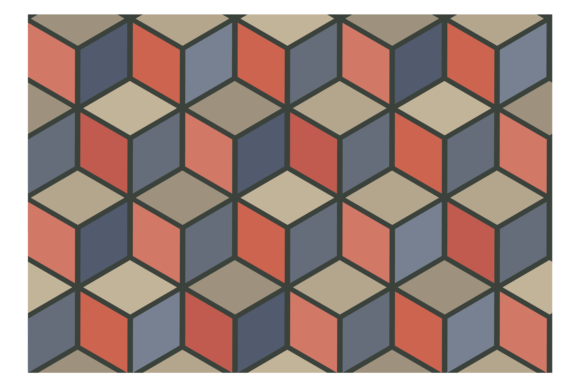
There’s a moment every embroidery designer knows—the moment you open a new embroidery file and start visualizing it stitched out on real fabric. Today, I’m looking at the Color Seamless Pattern. Cube Ornament. design, a decorative tile pattern offered as vector illustrations in EPS, JPG, and SVG. As someone who relies on graphics to translate into compelling, sellable finished products, my evaluation begins with a practical question: How would this perform in a real project?
The First Impression: Modern Geometry with a Playful Mood
My immediate reaction to this cube ornament design is that it feels both structured and whimsical. The geometric layout creates a sense of order, but the “ornament” aspect suggests a decorative, almost festive personality. It doesn’t scream a specific season; instead, it evokes a modern, clever aesthetic. The seamless nature means it’s built for repetition, which is fantastic for borders, all-over patterns on larger items, or as a repeating motif on fabric. For embroidery, this translates to a design with clear, definable shapes—excellent for clean satin stitches or precise fill stitches.
Thinking about my next project, perhaps a custom embroidered pillow cover for a boutique home goods line, this pattern feels right. It’s decorative without being overly fussy, and the tile-like structure would lend a sense of intentional craftsmanship to the finished product.
Where This Pattern Shines in Real Embroidery Projects
Let’s walk through some concrete scenarios. I’m picturing a client requesting a set of personalized kitchen towels as a wedding gift. Using this cube pattern as a repeating border along the hem would add a unique, modern touch that feels more special than a generic floral. The vector file formats (EPS, SVG) are key here—they typically allow for clean scaling without loss of detail, so I could adjust the motif size to fit the towel’s dimensions perfectly.
For small business merchandise, this design has strong potential. Imagine it stitched onto the front pocket of a high-quality cotton tote bag. The geometric pattern conveys a sense of design-savvy, appealing to customers who appreciate a contemporary handmade product. For apparel decorators, a single, larger tile of the pattern could become a striking focal point on a sweatshirt or a cap, especially if played with thread color contrasts against the fabric.
In the realm of digital product sellers and creative entrepreneurs, this graphic serves as a versatile asset. It could be used in printable mockups to preview products, or as part of a digital embroidery file collection for other makers. Its seamless, tileable nature makes it incredibly flexible for commercial embroidery projects where consistency across multiple items—like a series of aprons for a café—is required.
Practical Considerations for Stitching It Out
No review is complete without a realistic look at the challenges. The design’s detail level, based on its description, suggests defined corners and likely some interior decorative elements. On curved surfaces like caps, these sharp corners might require careful stabilization and possibly some stitch type adjustment to maintain clarity. On stretchy fabrics or thin linens, the stitch density needed for a solid fill could pose a challenge; a good stabilizer choice becomes non-negotiable.
I would be particularly cautious with very small hoop sizes. The “ornament” details could become muddy if scaled down too much for a tiny patch. Always, always test on scrap fabric first. This step reveals everything: how the thread colors interact with your chosen fabric background, whether the small details hold up, and the overall stitch density. For dark fabrics, a test run helps plan for potential underlay stitches to ensure the pattern’s visual appeal remains bright and clear.
The Impact on Your Product’s Value and Customer Perception
Using a well-composed graphic like this isn’t just about aesthetics; it’s about perceived value. A crisp, clean geometric embroidery pattern on a baby item or a personalized gift elevates it from “homemade” to “handmade with professional intent.” This builds customer trust and enhances the giftability of the item. For an Etsy seller or craft fair vendor, such a design contributes to brand consistency—offering products that look thoughtfully designed engages buyers more deeply.
However, the professionalism hinges on execution. A pattern with potential dense stitch areas, if not stitched properly, can look bulky and stiff on a lightweight garment. Conversely, on a sturdy item like a pillow cover or tote, that density contributes to a luxurious, durable feel. It’s about matching the design to the right product.
A Designer’s Final Notes Before You Hoop Your Fabric
Before you commit this design to a client project or your next small shop product, here’s my checklist. First, confirm the licensing terms for this graphic for your intended use, especially if selling finished items or digital products. While the file formats are listed, verify the compatibility with your embroidery software and machine.
- Test it in both black and white mockups to visualize it on light and dark backgrounds.
- Consider the fabric texture; a smooth cotton will showcase the details differently than a textured linen.
- Plan your thread colors. The “color” seamless pattern description invites creativity, but contrast is key for stitching clarity.
- Inspect the small details in the file. Will they translate well into running stitches or require satin stitches? This affects your hoop size and stabilizer choice.
- Think about the final product’s life—will it need frequent washing? A robust stitch setup is crucial for longevity.
Embroidery is the bridge between a digital graphic and a tactile, beloved object. The Color Seamless Pattern. Cube Ornament. design, with its modern geometric charm, has the foundation to be that bridge for many projects—from a custom embroidered tote bag to a boutique’s holiday gift collection. Your job as the maker is to test, adapt, and stitch it with the practical knowledge that turns a good graphic into an exceptional finished product.