Flourish Ornate Corners: A Calligraphic Corner Review
When a new embroidery file lands in my library, I don't just look at it on screen. I imagine it stitched out. I picture it on fabric, in a hoop, under the needle, and finally, on a finished product a customer will hold. That's the real test. Today, I'm considering Flourish Ornate Corners. Calligraphic De for exactly that purpose.
A First Impression of Elegant Versatility
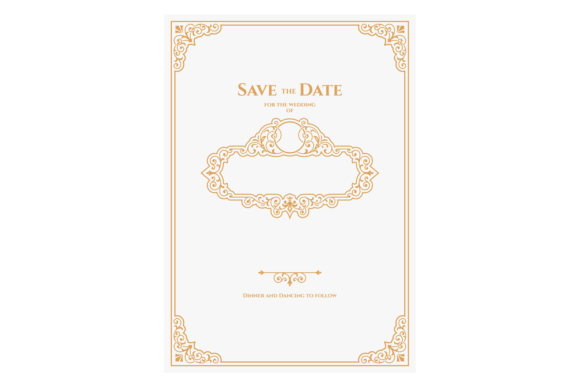
This design immediately strikes a balance between ornate and orderly. The calligraphic lines feel artistic yet controlled, creating a decorative frame border that is more about sophisticated flourish than chaotic excess. The mood it evokes is one of refined personalization—think handwritten invitation elegance, not gothic drama. Its visual personality leans classic, making it a versatile candidate for projects that need a touch of deliberate beauty.
For embroidery, this suggests it naturally belongs to items where that elegance translates to value. My mind goes to premium gifts: a commemorative pillow cover, a detailed tea towel for a gourmet kitchen, or the corner of a monogrammed blanket. It doesn’t scream "holiday" or "baby" specifically, but it could beautifully accent those items if the surrounding theme supports it.
The Real-World Embroidery Scenario: A Boutique Tote Bag
Let's walk through a real case. Imagine a small shop owner wants a signature embroidered tote bag for their boutique. They want a design that frames their logo or a simple phrase, adding a handmade, high-quality feel. Flourish Ornate Corners. Calligraphic De comes into play as that frame.
Here’s my practical judgment: the isolated corner elements mean you can place them strategically. You could stitch one ornate corner at each top edge of the tote, creating a custom border effect without embroidering a full, dense rectangle. This saves stitch time and reduces thread consumption, which matters for a craft business. On a sturdy canvas tote bag, the satin stitches and fine lines of this design should hold up well, provided you use adequate stabilizer. The elegant detail elevates the simple tote, potentially increasing its perceived value in an Etsy listing or at a craft fair.
Where This Design Finds Its Home
Beyond tote bags, this graphics file has potential across several thoughtful applications. For custom apparel, a single corner flourish on the cuff of a sweatshirt or the hem of a tee could be a subtle branded detail. As a personalized gift, it could frame a date or name on a pillow cover or apron. For digital product sellers, this design, rendered as an SVG or transparent PNG, could be used in printable mockups to showcase how a finished embroidered patch might look before purchase.
It’s also a strong candidate for commercial embroidery projects where a client wants a decorative border for uniforms or corporate gifts without overwhelming the main message. The calligraphic style communicates professionalism and care.
Careful Application: The Stitching Considerations
No design is universally perfect, and the ornate nature of this one requires some realistic planning. The detail level, especially in the tighter curves and intersections, is where your embroidery machine and setup will be tested.
On small hoop sizes, the entire corner might need to be scaled down, and those fine lines could become problematic, potentially merging into a blur if the stitch density is too high. On textured or stretchy fabrics like some sweatshirt materials, small decorative accents might not stitch cleanly unless you’ve dialed in your stabilizer perfectly. I'd be cautious about using it on very dark fabric without a thorough test; the intricate gaps and lines might lose their definition if the thread color contrast isn't bold enough.
Perhaps the biggest consideration is stitch density in the denser areas of the flourish. Without knowing the exact file parameters, I must advise: always stitch this out on scrap fabric first. Check for puckering, especially if you plan to apply it to a thin fabric like a linen tea towel or a baby garment. That beautiful detail could become a stiff, unwieldy patch if the fill stitches are too dense.
Products That Demand a Second Thought
I would use this design carefully on caps or curved surfaces, where the symmetrical corner layout might distort. Also, on items that need frequent washing like kitchen towels or baby clothes, the many stitch starts and stops in an ornate design could be points of wear over time. For tiny lettering integrated into the flourish, clarity is paramount—test it to ensure the running stitches for small text remain legible after embroidery.
Impact on Your Craft Business and Customer Perception
Using a design like this isn't just about mechanics; it’s about communication. When a customer sees Flourish Ornate Corners. Calligraphic De on a finished product, it signals effort and artistry. It moves beyond a simple logo into the realm of decorative craft. This can enhance customer trust in your handmade presentation and boost the giftability of your item.
For your brand consistency, if your shop specializes in elegant, classic styles, this design can become a reusable asset, a familiar decorative motif that buyers start to recognize. It supports professionalism in your embroidery portfolio, showing you can handle detailed decorative work. In your Etsy listings or small shop merchandise, high-quality photos of this design stitched out can directly drive buyer engagement.
Practical Notes for the Embroidery Designer
Before you commit this to a client project or your best-selling tote bag, here’s my checklist of designer notes.
- Test, test, test. Run the embroidery file on the exact scrap fabric (and color) you intend to use.
- Check thread color contrast. View the design in black and white mockups to see if the pattern holds its shape without color.
- Review the actual stitch-out for small details. Are the finest lines clean, or do they bunch up?
- Confirm your hoop size can accommodate the design at your desired scale without forcing unnecessary trimming or repositioning.
- Use proper stabilizer. For an ornate design, you likely need a solid, tear-away or cut-away foundation.
- Compare its appearance on light and dark fabric backgrounds. It might perform differently visually.
- Understand the licensing. Since the product category is Illustrations and the type is Graphics, clarify whether the provided files (EPS, JPG, SVG, PNG) are licensed for commercial use, personal use, or both before selling any finished items or digital products derived from them.
Ultimately, Flourish Ornate Corners. Calligraphic De is a design with significant potential to elevate projects. Its strength is its decorative framing capability, offering a handmade touch that feels deliberate and artistic. Approach it with a practical eye for detail and preparation, and it could become a valuable asset in your embroidery design library for everything from personalized gifts to consistent commercial embroidery projects.