An Illustrator's Ouija Board Kit for Web & Editorial Graphics
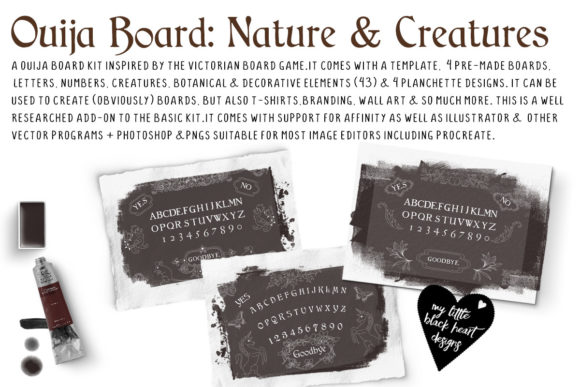
When scouting design assets for a publishing workflow, my first glance at the Ouija Board Kit – Nature and Creatures immediately registers its editorial mood. This isn’t a sterile, corporate graphic; it’s an artistic, decorative illustration kit with a distinctly earthy, almost mystical feel. It creates a visual atmosphere that is lifestyle-focused and creative, leaning into niches centered on nature, spirituality, holistic wellness, art, and alternative lifestyles. For publishers, this translates into content that feels handcrafted and authentic, which can be a powerful tool for building reader trust in those specific communities.
First Impressions and Editorial Mood
The aesthetic is playful yet sophisticated, avoiding a cartoonish look. The nature and creature motifs suggest a connection to the organic world, making it ideal for content about herbalism, animal guides, seasonal living, or creative journaling. It doesn’t scream "professional" in a traditional sense, but rather "artisan professional"—perfect for blogs, digital guides, and newsletters where a personal, artistic touch is part of the brand identity. The style supports content that needs to look polished and clickable by offering a unique, visually intriguing alternative to generic stock photography.
Real-World Uses in a Content Publisher's Toolkit
In a real publishing day, this graphic design asset gets deployed across multiple touchpoints. Its standalone nature means you can use it even if you don’t own other kits, though a quick note for bundle owners: if you’ve purchased the broader Ouija Kit BUNDLE, this add-on is already included—simply re-download your files. As a blogger, my immediate applications would be:
- Featured Images & Article Headers: The illustrated board serves as a compelling base layer. Adding a bold headline over it creates a strong visual hierarchy for blog posts, immediately signaling the article's thematic niche.
- Pinterest Pins & Social Media Graphics: For content marketing, these visuals are gold. The intricate details remain clear even when scaled, making for Pinterest pins that stand out in a crowded feed, driving better click-through potential.
- Downloadable Resources & Lead Magnets: Imagine using elements from the kit to design the cover of a digital guide on "Connecting with Nature," or within a printable worksheet. It elevates a simple PDF into a desirable, professional-looking digital product.
- Newsletter Banners & Category Thumbnails: A consistent header graphic using this kit across all newsletters builds a stronger visual identity. On a website, it can visually define category pages for "Nature Journals" or "Creative Rituals."
- Affiliate Content Visuals: For affiliate marketers promoting related books, courses, or products, custom graphics built from this kit feel more integrated and trustworthy than plain text links.
- Canva Templates & Digital Ads: Importing the assets into Canva allows for rapid creation of a branded template library, ensuring all your content—from blog graphics to small Facebook ads—maintains a cohesive, modern design feel.
How This Kit Supports Content Performance
Beyond aesthetics, a good design asset must perform. This kit supports several key performance metrics for online content.
Stronger First Impression & Reader Trust: A unique, well-designed header tells readers you invest in your content’s presentation. This fosters credibility, especially in niches where authenticity is paramount.
Clearer Visual Hierarchy & Click-Through Potential: The board design has natural focal points. Placing text strategically creates a clear path for the eye, making call-to-action buttons or headlines more effective, whether in a blog layout or a social media preview.
More Consistent Branding: Using the same illustrative style across your website, editorial layouts, and downloadable resources creates a seamless user experience. This consistency aids in category recognition and makes your entire content ecosystem feel more deliberate and reliable.
Optimal Placement for Maximum Impact
This asset shines brightest in specific roles within your visual system.
- Hero Images: At the top of a key blog post or landing page.
- Article Thumbnails & Blog Graphics: As supporting visuals within long-form content.
- Pinterest Pins: As the primary visual for content promotion.
- Editorial Accents: As small decorative elements in sidebars or within digital guides.
- Content Upgrades & Downloadable Resources: On the cover page of lead magnets like eBooks or worksheets.
- Newsletter Headers: To brand your regular email communications.
Cautions and Contextual Considerations
While versatile, every design asset has boundaries. This kit should be used carefully in certain contexts.
- Small Mobile Thumbnails: The intricate details might become muddy in very small sizes, so test readability.
- Text-Heavy Blog Images: If the background is too busy, overlaying paragraphs of text will hurt readability. Use it as a header, not a full-page background.
- Serious Professional or Corporate Niches: Its artistic, nature-focused mood is not suited for finance, law, or stark minimalist tech blogs.
- Low-Contrast Backgrounds: Ensure any text you overlay has high contrast against the chosen part of the illustration.
- Busy Layouts: Pairing it with other highly decorative elements could create visual chaos.
Practical Publisher Notes for Implementation
Before hitting publish, run these real-world tests. This is where the blog designer’s experience pays off.
- Test on Desktop and Mobile: View your graphic on both a large monitor and a phone screen. Check how it looks as a thumbnail in your blog’s recent posts widget.
- Preview in a Real Layout: Drop the image into a draft blog post alongside your actual headline and body text. Does it compete or complement?
- Check Contrast & Readability: Try overlaying your standard headline fonts. Test it with a serif font for a classic look, a sans serif for modernity, and even a script or handwritten font for extra personality. Ensure the text pops.
- Consider File Size & Performance: Review the file size of the final graphic you create. Compress images properly for web use to maintain fast load times—a key factor for user experience and SEO.
- Confirm Licensing for Commercial Use: Most critically, confirm the commercial license terms before using it on monetized websites, affiliate pages, or within paid content products like digital guides. This is a non-negotiable step for ethical digital publishing.
Ultimately, the Ouija Board Kit – Nature and Creatures is more than just an illustration; it’s a versatile tool for creative design in the publishing space. It empowers bloggers, digital marketers, and small business owners to produce content that doesn’t just inform, but also visually engages and builds a recognizable brand. By integrating it thoughtfully into your workflow—from website headers to Pinterest pins to printable designs—you elevate the entire perceived quality of your digital publishing efforts.