A Royal Heraldic Graphic for Editorial Elegance
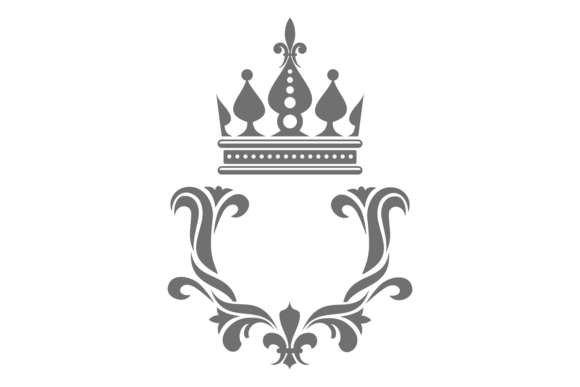
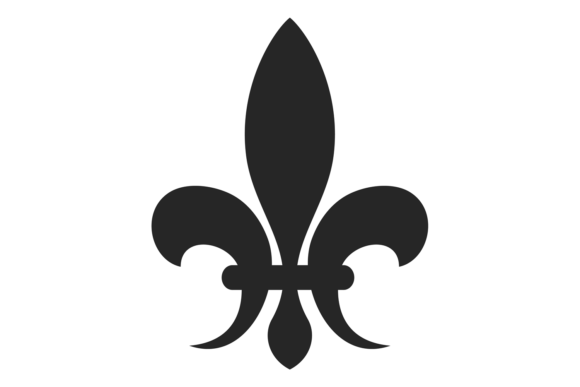
In my work as a blog designer, I review countless graphic assets, seeking those that translate seamlessly from a marketplace listing into a real publishing workflow. Today, I’m looking at a particular design: the Medieval Heraldic Logo. At first glance, this isn’t just a graphic; it’s an editorial mood setter. Its intricate, decorative flower emblem, rendered with a royal, heraldic sensibility, immediately evokes a sense of history, craftsmanship, and curated elegance.
The Visual Tone: Authority and Decorative Charm
This design asset creates a distinct atmosphere. It feels authoritative yet artistic, blending a regal emblem style with delicate floral motifs. For publishers, this supports niches rooted in heritage, luxury, craftsmanship, fantasy, history, or even high-end lifestyle. It doesn’t shout “modern minimalist”; it whispers “curated collection.” Reader perception is key. Using such a polished, intricate graphic can subconsciously elevate your content’s perceived value and trustworthiness, signaling that you invest in quality visuals just as you invest in quality writing.
Integrating the Royal Emblem into Your Publishing Toolkit
So, how does this Medieval Heraldic Logo move from a downloaded file to a live website? Its provided formats—EPS, JPG, SVG, transparent PNG—are the toolkit for a digital publisher. Let’s walk through a real Monday morning scenario.
Imagine you’re preparing a blog post on medieval gardening techniques or the symbolism in fantasy literature. Your first task is the featured image. Placing this emblem as a central, elegant anchor against a dark backdrop creates an immediate hierarchy. It’s not a noisy photo; it’s a clear, symbolic graphic that makes the headline text pop. Next, you repurpose this for Pinterest graphics. The isolated design on a transparent background allows you to layer it over textured images or solid colors, crafting pins that stand out for their decorative detail. The same principle applies to newsletter banners announcing a new series or digital guide covers for a lead magnet on royal history.
Performance Beyond Decoration: Building Trust and Clicks
A strong graphic design asset like this isn’t merely decoration; it’s a performance tool. In content marketing, visuals drive action. Here’s how this emblem supports that.
- Stronger First Impression: A complex, beautiful emblem in your hero image stops the scroll, promising depth and substance.
- Clearer Visual Hierarchy: It acts as a focal point, organizing the space around your title and call-to-action buttons.
- Better Click-Through Potential: On social media or affiliate pages, a distinctive, royalty-associated graphic can intrigue users, making your content more clickable.
- More Consistent Branding: Used across category thumbnails, downloadable printables, and ebook covers, it builds a recognizable visual identity for your niche.
- Improved Reader Trust: Polished, commercially-licensed design signals professionalism, making readers more likely to trust your recommendations or purchase your digital products.
The Ideal Publishing Applications
Based on its style, this royal emblem excels in specific roles within your website and content marketing materials.
- Hero Images & Article Headers: Where you need to establish tone immediately.
- Pinterest Pins & Social Media Previews: Its detail draws attention in crowded feeds.
- Digital Product Covers: For eBooks, media kits, or Canva templates on historical themes.
- Editorial Accents & Newsletter Graphics: As a recurring decorative element in a series.
- Category Visuals & Website Banners: To visually define a section dedicated to art, history, or luxury.
Publisher Notes: Practical Considerations for Real Use
Experience teaches caution. Even the most beautiful asset requires testing. For this Medieval Heraldic Logo, keep these points in mind.
Where it Works Best: Larger formats where its intricacy can be appreciated—featured images, Pinterest pins, full-width banners, and the covers of your digital guides or worksheets.
Where to Use Carefully: Its detail may vanish in small mobile thumbnails. On text-heavy blog images, ensure it doesn’t fight with your copy. Avoid low-contrast backgrounds that muddy its lines. It might feel out of place in serious corporate content or ultra-minimalist web designs that need a simpler visual system.
Your Pre-Publishing Checklist
- Test on Screens: Preview it on desktop and mobile. How does it look as a tiny thumbnail?
- Preview in Layout: Drop it into a real blog post draft. Does it balance with your headline?
- Test with Typography: Place it beside a serif font for classic harmony, a sans-serif for modern contrast, or a script font for total elegance. Check contrast and readability.
- Consider Versatility: Try a black-and-white version for different moods.
- Optimize for Web: Review file size. For JPGs, compress properly. Use SVG for scalable, crisp logos without performance loss.
- License Confirmation: Always confirm the commercial license terms before using it on monetized affiliate pages, paid content products, or small business branding materials.
From Download to Dynamic Content: Final Thoughts
The Medieval Heraldic Logo is more than a decorative flower isolated on white. It’s a versatile key for unlocking a specific, valuable aesthetic in online publishing. For bloggers, affiliate marketers, and creative entrepreneurs in compatible niches, it provides a ready-made element of sophistication. It helps transform standard blog graphics, social media posts, and downloadable resources into cohesive, professionally-presented pieces. By investing in such quality design assets, you invest in the visual communication that underpins reader trust, category recognition, and ultimately, the success of your content.