A Practical Crafter's Take on Vintage Stencil Graphics
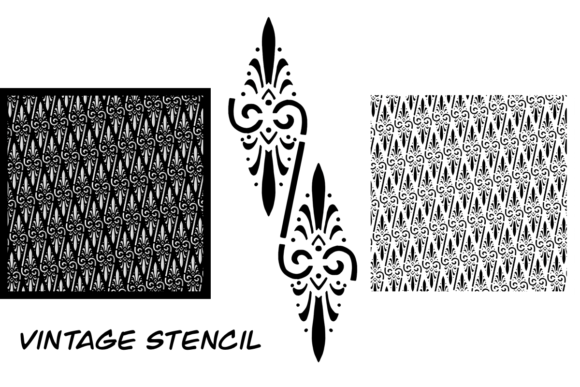
As someone who’s spent years building a handmade business, my first thought when I look at the Vintage Stencil is its immediate mood. This isn’t just a random graphic; it’s a digitally redrawn decorative pattern that feels timeless and elegantly rustic. It suggests a handmade style that’s classic yet adaptable—think of cozy farmhouse decor, premium gift items, or decorative feminine accents. The kind of customer drawn to this aesthetic values craftsmanship and subtle, enduring design over flashy trends.
Where Vintage Stencil Finds Its Home in Your Crafting Workflow
This graphic design asset is a versatile player. Right now, as I’m preparing a seasonal collection for a local craft fair, I’m seeing its potential everywhere. For Cricut projects and Silhouette projects, the SVG file means I can instantly resize it for a set of matching gift tags, planner stickers, and party decoration accents. The PNG’s clean transparency makes it a breeze to drop into designs for printable wall art or scrapbooking elements.
For physical products, I’m planning to use it on a batch of custom mugs and tote bags. It’s perfect as a decorative border on a tumbler wrap or as a subtle background element on a t-shirt design. In my small business branding, it could elevate my handmade packaging or thank-you cards, adding that consistent, premium touch that customers remember.
Its Sweet Spot: Seasonal Bundles and Decorative Accents
This illustration works best when it’s given space to breathe. Think large cut files for a statement wooden sign, clean printable layouts for a gift product line, or decorative accents on personalized items like aprons or journals. It’s ideal for building a cohesive handmade shop collection—where you offer a mug, a sticker, and a card all featuring the same pattern. It also integrates beautifully into product mockups for your Etsy product listings or print-on-demand designs, immediately communicating a vintage, crafted feel.
Crafting Caution: When to Simplify the Details
Honesty is key in crafting. Where you should use Vintage Stencil carefully is in applications with very small cutting details or thin lines. If you’re making small sticker sizes or trying to layer it in a crowded vinyl project, some intricacies might not translate cleanly. Avoid low-contrast color pairings on fabrics; the pattern needs clear definition to stand out. For projects like intricate paper cuts or tiny planner stickers, consider simplifying the layout slightly to ensure a clean, readable shape that won’t frustrate your cutting machine or disappoint your customer.
Practical Notes from the Craft Table
Before you commit this asset to a batch of customer orders, run these real-world tests. First, check that the SVG lines are clean and connected—load it into your design software and preview the cut paths. For the PNG, confirm the resolution is high enough for sublimation design or high-quality prints. Always test colors on both white and dark backgrounds; a pattern like this can look dramatically different.
Resize it for different products—see how it scales from a large tote bag to a small gift tag. Pair it with different fonts: a serif font for a traditional look, a clean sans serif for a modern twist, or a delicate script for a feminine touch. Crucially, always confirm the commercial license if you’re using it for handmade business products sold on a creative marketplace or at a craft fair. Finally, place it on real product mockups. Does it look balanced? Does it feel like part of your brand’s story? This due diligence turns a good design asset into a reliable part of your business toolkit.
Why This Graphic Supports Real Product Creation
At its core, Vintage Stencil provides a foundation. The description says you can resize and place the basic pattern in many ways to make your own stencil—and that’s the real value. For the crafter, the Etsy seller, and the creative entrepreneur, it’s a starting block for originality. It saves the hours of hand-drawing a repeatable pattern, allowing you to focus on composing your final product—be it a festive holiday mug, a set of elegant greeting cards, or a line of rustic kitchen towels. It’s not just a piece of clipart; it’s a building block for your next handmade collection.